
Why CPR Guidelines Change (And How Often It Happens)


If you've taken a CPR class before, you might remember hearing that guidelines have changed since your last training. That's not unusual — and it's not random.
CPR guidelines are updated intentionally, based on science, research, and real-world outcomes. These updates help ensure that the techniques being taught today reflect the most effective ways to save lives.
How Often Do CPR Guidelines Update?
The American Heart Association (AHA) releases updated CPR and Emergency Cardiovascular Care (ECC) Guidelines every five years.
These updates are based on an extensive review of global research, including thousands of studies focused on cardiac arrest survival and resuscitation methods.
This means modern CPR training is built on the most current evidence available — not outdated practices.
Why Do CPR Guidelines Change?
New Research Improves Outcomes
CPR is constantly being studied and refined. Researchers evaluate what techniques produce the best results, including:
Chest compression depth and rate
Rescue breathing effectiveness
AED timing and use
Team-based response strategies
When better approaches are identified, guidelines are updated accordingly.
Real-World Data Drives Change
Guidelines are not based on theory alone. Data collected from actual cardiac arrest events helps identify what works best in real emergencies — allowing organizations like the AHA to refine recommendations based on real-life results.
Advancements in Technology
Modern CPR incorporates improved tools such as:
AEDs with real-time feedback
Compression feedback devices
Advanced training manikins
As these technologies evolve, guidelines are updated to reflect their proper use.
Simplicity Encourages Action
One major goal of CPR updates is to make the process easier to follow. Simpler steps help reduce hesitation and increase the likelihood that someone will act in an emergency.
Emphasis on hands-only CPR for bystanders
Clearer, more streamlined response steps
Increased focus on early AED use
What Actually Changes?
Not every update involves major revisions, but changes may affect:
Compression depth and rate
Ventilation techniques
AED protocols
Team response roles
Post-cardiac arrest care
Some updates are minor adjustments. Others have a more significant impact on how CPR is taught and practiced.
Why Staying Current Matters
Using outdated CPR techniques may reduce their effectiveness in an emergency.
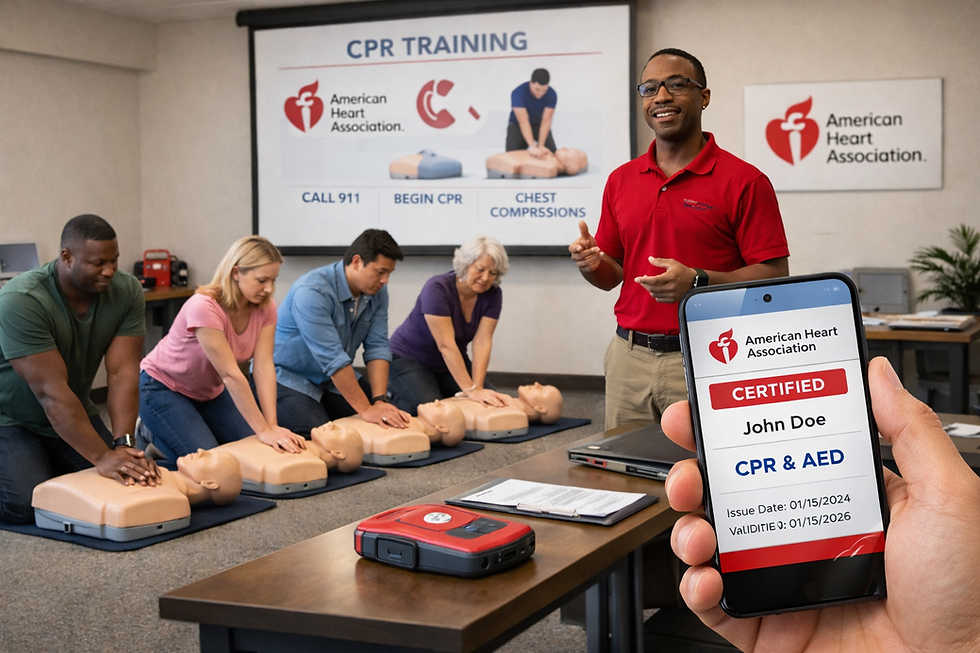
That's why CPR certifications are typically valid for two years — to help ensure individuals stay aligned with current best practices.
If your certification is expired or nearing expiration, it may be time to renew.
Explore available courses: CPR Safety 411 Training Courses
Final Thoughts
CPR guidelines are updated for one reason: to improve survival outcomes.
Each revision reflects new research, real-world data, and advances in training and technology. Staying current with CPR training helps ensure that when an emergency happens, you're prepared to respond with confidence — using the most effective techniques available.
Ready to Get Certified or Renew Your Training?
Whether you're completing your first certification or keeping your skills current, we offer courses designed to fit your schedule and your organization's needs.


Comments