
How to Become a Certified CPR Instructor
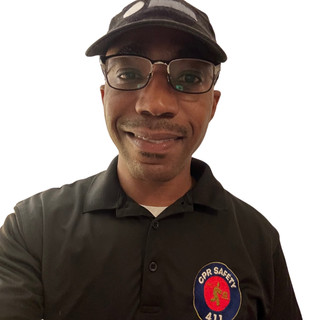

If you’re passionate about safety, teaching, and helping others learn lifesaving skills, becoming a CPR instructor can be an incredibly rewarding path. CPR instructors train individuals, workplaces, and community groups to respond effectively during emergencies such as cardiac arrest, choking, and severe injuries.
Many people become CPR instructors because their workplace needs internal trainers, while others see it as an opportunity to start a training business or expand their professional credentials.
Here’s a clear look at how the process works.
Step 1: Be CPR Certified First
Before you can teach CPR, you must already hold a current CPR certification.
The exact certification needed depends on the type of classes you plan to teach:
Basic Life Support (BLS) for healthcare providers
Heartsaver CPR/AED and First Aid for workplaces and the general public
These certifications ensure you understand the latest CPR guidelines, proper technique, and emergency response procedures.
If your certification has expired, you’ll need to renew it before enrolling in instructor training.
You can view available CPR training programs here:
Step 2: Choose a Training Organization
CPR instructors must be certified through an approved training organization. Two of the most widely recognized organizations are:
American Heart Association (AHA)
American Red Cross (ARC)
Each organization has its own instructor training process, materials, and teaching standards.
Most instructors choose their certifying organization based on:
The types of classes they want to teach
Employer requirements
Local training center partnerships
For example, healthcare facilities often require AHA Basic Life Support (BLS) certification.
Step 3: Complete an Instructor Training Course
Once you meet the prerequisites, you’ll enroll in an Instructor Development Course.
This training teaches you how to:
Teach CPR and first aid skills effectively
Run hands-on training sessions
Evaluate student performance
Use official course materials and videos
Issue certifications properly
Instructor courses usually include both online learning and in-person training, where you practice teaching skills and demonstrating CPR techniques.
At CPR Safety 411, we offer instructor development programs that include training, mentorship, and guidance through the certification process. You can learn more here:
Step 4: Complete Monitoring or Teaching Evaluation
Most instructor programs require a teaching evaluation, sometimes called “monitoring.”
This step ensures that new instructors can confidently lead a class and teach lifesaving skills correctly.
During monitoring, you may:
Assist in teaching a real class
Demonstrate CPR and AED instruction
Show how to evaluate student performance
Practice using course materials
Once you successfully complete this step, you’ll be officially certified as a CPR instructor.
Step 5: Maintain Your Instructor Certification
Instructor certifications are not permanent. To remain active, instructors typically must:
Renew their certification every two years
Teach a minimum number of classes
Stay up to date with new CPR guidelines
CPR science evolves over time, and instructors must stay current with the latest recommendations from organizations like the American Heart Association.
Why People Become CPR Instructors
People pursue CPR instructor certification for many different reasons.
Some common motivations include:
Workplace safety leadership
Many companies train internal staff members to teach CPR to coworkers.
Career advancement
Healthcare professionals, fitness instructors, childcare providers, and safety managers often add instructor credentials to their resumes.
Starting a training business
Some instructors choose to teach classes independently or partner with an established training provider.
Community impact
Teaching CPR helps spread lifesaving knowledge throughout the community.
Skills That Make a Great CPR Instructor
You don’t need to be a paramedic or nurse to teach CPR. Many excellent instructors come from diverse backgrounds.
What matters most is:
Strong communication skills
Comfort speaking in front of groups
Attention to detail when teaching techniques
A passion for safety and preparedness
The goal is not just teaching information — it’s building students’ confidence to act during emergencies.
Instructor Training with CPR Safety 411
If you’re interested in becoming a CPR instructor, CPR Safety 411 offers instructor development programs designed to help new instructors succeed.
Our instructor courses include:
American Heart Association instructor training
Mentorship and teaching guidance
Support with course setup and materials
Instructor certification assistance
These programs are ideal for individuals, workplaces, and organizations that want to build their own internal training capabilities.
Learn more about becoming an instructor here:
Final Thoughts
Becoming a CPR instructor is more than earning a certification — it’s becoming part of the effort to make communities safer.
Every class you teach may give someone the knowledge and confidence to step in during a life-threatening emergency.
And when that happens, the impact can be enormous.


Comments